Deep Oven Cleaning for Edgware Homes on Broadfields Estate
If your oven looks fine from a distance but smells a bit smoky the moment you switch it on, you already know the problem. Deep oven cleaning for Edgware homes on Broadfields Estate is not just about sparkle for the sake of it; it is about restoring a hardworking appliance so it cooks evenly, smells fresh, and stops spreading grease through the kitchen. In busy family homes, rented flats, and modern Broadfields Estate properties alike, the oven tends to be one of those jobs that gets pushed back until it becomes impossible to ignore. Truth be told, that is when the mess is usually at its most stubborn.
This guide breaks down what deep oven cleaning involves, why it matters, how the process works, and what a good result should look like. You will also find practical tips, mistakes to avoid, a comparison of cleaning approaches, and a simple checklist you can use before booking a service or tackling the job yourself.
Why Deep Oven Cleaning for Edgware Homes on Broadfields Estate Matters
Ovens work in hot, greasy, awkward conditions. Every roast, tray bake, and weeknight dinner leaves behind a little more residue. Over time, that residue turns into carbonised build-up on the walls, racks, glass door, fan cover, and seals. Once that happens, the oven starts behaving differently. It may take longer to preheat, smoke during cooking, or leave a lingering smell that never quite goes away.
For homes on Broadfields Estate, the practical side matters too. Many households there use the kitchen every day, often for proper cooking rather than the occasional ready meal. That means the appliance sees regular wear. In a family home, a dirty oven can become one of those small frustrations that build up. In a rental, it can become a dispute waiting to happen. And if you are preparing for a move, end-of-tenancy checks, or a seasonal reset, oven condition can make a surprisingly strong first impression.
There is also a hygiene angle. Grease traps odours, burnt food particles attract more grime, and old spills can smoke when reheated. Not ideal when you are trying to cook something simple on a Wednesday night. A proper clean gets past the surface shine and removes the stuff you cannot reach with a quick wipe-down.
Expert summary: A deep oven clean is most valuable when the appliance still works well but is carrying years of baked-on residue. That is the stage where the right clean can genuinely extend useful life and make everyday cooking feel easier again.
If you are planning other household cleaning at the same time, it can make sense to pair oven work with a broader deep cleaning visit or a one-off refresh through one-off cleaning. For households that prefer steady upkeep rather than big resets, regular cleaning can help prevent the oven and kitchen from getting back to that heavy stage.
How Deep Oven Cleaning for Edgware Homes on Broadfields Estate Works
Deep oven cleaning is a methodical process, not a rushed wipe. The aim is to break down grease safely, lift burnt-on deposits, and clean the areas people usually miss: behind the racks, around the door hinges, along the fan cover, and near the edges of the cavity.
A professional-style clean usually begins with inspection. The cleaner checks the oven type, the level of build-up, and whether any parts are removable. That matters because a built-in single oven, a double oven, or a range-style unit may each need slightly different handling. Glass doors, enamel interiors, stainless-steel exteriors, and catalytic or removable liners all have their own quirks.
Next comes controlled degreasing. Specialist products are typically applied carefully so they can break down carbon and grease without damaging coatings or seals. In a well-done clean, the product is allowed to work for a sensible amount of time. Rushing this stage is a common reason oven cleaning looks better for five minutes and then disappoints later.
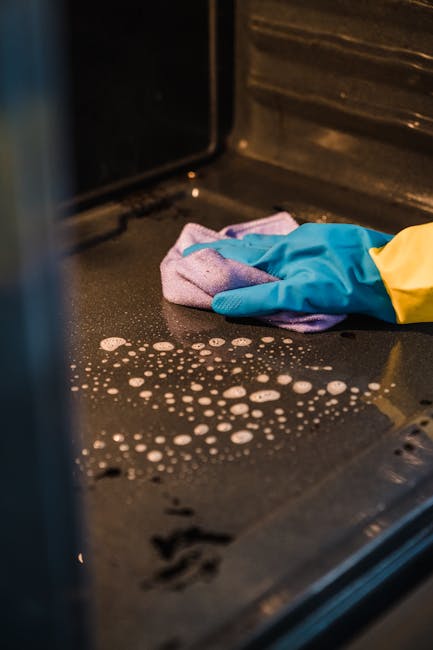
Once the residue softens, the work shifts to scraping, wiping, rinsing, and detailing. That includes racks, trays, knobs, control panels, doors, seals, and the surrounding splash zones if needed. The final stage is often just as important as the first: thorough removal of product residues so the oven is safe to use again.
If a home needs broader kitchen or whole-property support, it can be worth combining oven work with domestic cleaning or a more general house cleaning visit. That is especially useful after busy periods, houseguests, or a long winter of indoor cooking.
One practical note: some ovens, especially older or heavily soiled ones, may need more than one visit or a staged approach. That is not a failure. It is just the reality of burnt-on mess. Ovens are a bit dramatic that way.
Key Benefits and Practical Advantages
The benefits of deep oven cleaning are more practical than glamorous, which is why people often notice them only after the work is done. Suddenly the kitchen smells cleaner. Heat is more even. The oven door looks clearer. And the whole room feels less tired.
- Better cooking performance: A cleaner interior helps heat circulate more consistently, which can improve how food browns and bakes.
- Less smoke and odour: Burnt residue is a major source of smoky smells when the oven is in use.
- Improved appearance: Shiny glass, clearer racks, and a fresh-looking cavity make the kitchen feel looked after.
- Reduced risk of grime transfer: Old grease can flake or smear onto food packaging, trays, or hands when moving dishes in and out.
- More efficient use of the appliance: When residue is not clogging surfaces, the oven is easier to inspect and maintain.
- Longer service life in practice: While no clean can fix worn components, regular maintenance helps stop avoidable deterioration.
There is also a less obvious benefit: confidence. People cook more happily in a clean oven. You are less likely to second-guess whether the smell is normal, and less likely to avoid baking trays because you know the oven is grim. That sounds small, but it really does change how often the kitchen gets used.
For landlords, agents, and outgoing tenants, a clean oven also supports a smoother handover. If you are already arranging end-of-tenancy cleaning or a move-out cleaning service, oven care is one of those details that can make the result look complete rather than half-finished.
Who This Is For and When It Makes Sense
Deep oven cleaning suits a wide range of households, but it is particularly useful if any of the following sound familiar.
- You cook regularly and notice visible grease or smoke.
- The oven door has a cloudy film that does not shift with normal cleaning.
- There is burnt-on food under the element, on the fan cover, or along the base.
- You are preparing to sell, rent, or return a property.
- You are moving into a home and want a clean start.
- You have tried supermarket sprays but the build-up keeps coming back.
- You want to reduce smells before hosting guests or family.
On Broadfields Estate, the service often makes sense for families juggling school runs and work, older residents who do not want to spend hours scrubbing, and busy professionals who would rather pay for a job done properly than wrestle with harsh chemicals on a weekend. Let's face it, a proper oven clean is one of those tasks that always takes longer than planned.
It can also be helpful after renovation or redecoration, especially if the kitchen has collected dust and grease at the same time. In that situation, pairing oven care with after builders cleaning can tidy up the whole room rather than leaving the kitchen looking almost finished.
If you are between homes, a combined approach with move in cleaning can be a very sensible choice. You get the appliance ready before the first proper meal, which always feels better than discovering old grime while the pasta water is already boiling.
Step-by-Step Guidance
If you want to understand what a thorough oven clean should include, here is the basic process in plain English.
- Assess the oven: Check the model, grime level, and whether any special coatings or liners are present.
- Isolate removable parts: Racks, trays, side supports, and sometimes the door panel are removed where appropriate.
- Protect nearby surfaces: Floors, worktops, and surrounding areas are covered or kept clear.
- Apply suitable degreaser: Product is applied to softened grease and carbon, with care around seals and electrics.
- Allow dwell time: The cleaner gives the product time to work. This is where a lot of the lifting happens.
- Scrape and detail: Stubborn deposits are lifted using non-damaging tools and careful technique.
- Wash and rinse: All removable parts and cleaned surfaces are wiped down until no residue remains.
- Dry and reassemble: Components are returned, the door is checked, and the oven is left ready for use.
Some ovens may also benefit from a second pass on the glass or around the seals. That is normal. The goal is not just a good-looking result in the final photo; it is a result that holds up the next time you preheat the oven.
If you are preparing your whole home for a reset, it can be efficient to book oven care alongside kitchen cleaning or nearby services such as hard floor cleaning. Even though those pages are aimed at broader tasks, the logic is simple: once the kitchen is being worked on, it makes sense to finish the job properly.
Expert Tips for Better Results
After a lot of kitchen cleaning jobs, a few patterns become obvious. The same small habits make a huge difference.
- Do not wait until the oven is smoking: Light maintenance is always easier than rescue work.
- Clean spills while the oven is still warm, not hot: Fresh grease is easier to remove than baked-on residue.
- Use the right cloths: Microfibre and soft non-scratch materials usually do better than rough pads.
- Pay attention to the door seals: Grease there is often missed, and it affects how fresh the oven feels.
- Check the fan area: In fan ovens, this zone collects more residue than people expect.
- Run a short empty heat cycle only when safe to do so: This can help clear lingering moisture after cleaning, but only if the oven and product guidance allow it.
Here is a small real-world observation: the best oven cleans often begin before the cleaner even arrives. Clearing the tray of half-used foil, moving toaster crumbs out of the way, and knowing where the oven switches are can save time and avoid faff. It sounds obvious. It rarely is, on a packed Tuesday evening.
If you like keeping the rest of the home on top form, services such as window cleaning or carpet cleaning can complement the oven work nicely. Not because they are directly related, but because a cleaned kitchen often makes the rest of the house look a bit dull by comparison. Funny how that happens.
Common Mistakes to Avoid
Deep oven cleaning can go wrong in a few predictable ways. Most of them come down to impatience or using the wrong method for the surface.
- Using abrasive tools on glass: A scratched oven door is hard to undo and can look worse than the dirt did.
- Spraying too much product: More is not better. It can leave streaks, residue, or a strong smell.
- Ignoring seals and hinges: These areas collect grime and affect how the oven closes.
- Cleaning electrical parts carelessly: Control panels and exposed electrics need a cautious approach.
- Forgetting to rinse: Product left behind can smoke or smell when the oven warms up.
- Assuming every oven is the same: Different linings and finishes need different care.
The biggest mistake, honestly, is treating a deep clean like a quick wipe. If the residue has been cooking on for months, it will not disappear because you gave it a determined look. It needs process, patience, and the right approach.
Another common issue is booking cleaning too late. If you are moving out, hosting, or preparing for inspection, schedule the job with enough time to deal with any stubborn patches that need a second pass. That little bit of planning saves stress later on.
Tools, Resources and Recommendations
You do not need a cupboard full of specialist gear, but the right tools make the work cleaner, safer, and less exhausting.
| Tool or resource | What it helps with | Useful note |
|---|---|---|
| Microfibre cloths | Wiping residues and polishing surfaces | Gentle enough for most enamel and glass finishes |
| Non-scratch scraper | Lifting baked-on deposits | Best used carefully on stubborn carbon, not aggressively |
| Degreasing solution | Breaking down fat and grease | Choose one suitable for ovens, not a random all-purpose spray |
| Soft brush | Detailing vents, corners, and seals | Helpful around fiddly edges where cloths struggle |
| Protective gloves | Skin protection during cleaning | Worth using even for short jobs if products are strong |
| Oven manufacturer guidance | Surface-specific care and safe cleaning methods | Important for catalytic, pyrolytic, or coated ovens |
If you are weighing up whether to do the work yourself or bring in help, it can be useful to check pricing and quotes first so you know what level of support makes sense for your home. In many cases, the time saved is the real value, not just the shine.
For households that want reassurance about who is coming into the property, take a look at insurance and safety and the company's health and safety policy. Those pages are not glamorous, but they matter. A lot.
Law, Compliance, Standards, and Best Practice
Oven cleaning is not a heavily regulated niche in the way some trades are, but it still sits inside sensible UK expectations around safety, liability, and responsible product use. A good cleaner should understand how to work safely around hot appliances, electrical components, and household surfaces without causing damage.
From a best-practice point of view, the important things are straightforward: use appropriate chemicals, follow product instructions, protect surfaces, avoid cross-contamination, and make sure the appliance is left safe and usable. If a business is providing the service in your home, it should also be clear about insurance, complaints handling, and payment security. Those details are part of trust, even if they are not the exciting part of the job.
It is also sensible to consider recycling and waste handling when old grease, disposable cloths, or packaging are involved. The exact approach depends on the circumstances, but responsible disposal is always better than leaving waste hanging around in the bin cupboard for a week. For a fuller look at the company's approach, see recycling and sustainability and payment and security.
If you ever need to raise an issue, a clear complaints procedure is also a reassuring sign. Nobody wants trouble, of course, but knowing there is a sensible path if something is off can make a booking feel much easier.
Options, Methods, and Comparison Table
People usually compare three approaches: doing it themselves, using an intensive DIY-style reset, or booking a professional deep clean. Each has a place, but they do not deliver the same result.
| Method | Best for | Pros | Trade-offs |
|---|---|---|---|
| Basic DIY wipe-down | Light grease and fresh spills | Cheap, quick, easy to repeat | Won't remove heavy burnt-on deposits |
| DIY deep clean | Moderate build-up and patient homeowners | More control over products and timing | Time-consuming and easy to under-clean tricky spots |
| Professional deep oven cleaning | Heavy grime, end-of-tenancy prep, or convenience | More thorough, less hassle, often better finish | Costs more than doing it yourself |
In practice, the right choice depends on time, budget, and the state of the oven. If the appliance is lightly used and cleaned regularly, DIY may be enough. If the glass is foggy, the trays are crusted, and the oven smells burnt before you even open the door, the professional route usually makes more sense.
For homes with broader cleaning needs, a combined booking can also work well. A deep oven clean alongside move in cleaning or end of tenancy cleaning is often the most efficient way to reset a property in one go.
Case Study or Real-World Example
A typical Broadfields Estate scenario goes like this. A family has been cooking at home most evenings, the oven door has gone cloudy, and every roast dinner leaves a faint smell of smoke. Nothing is broken, but nothing feels fresh either. The kitchen starts to feel permanently lived-in in a way that is not especially pleasant.
Rather than scrubbing for hours with a store-bought spray, they arrange a deep oven clean at the same time as a broader house refresh. The oven is inspected, the removable parts are cleaned separately, the heavier deposits are broken down, and the glass door gets the proper attention it was missing. By the end, the difference is obvious the next time the oven heats up: less smoke, less smell, and cleaner airflow around the cavity.
The important part is not just that the oven looks better. It is that the family starts using it more confidently again. That sounds small, but it changes the rhythm of the kitchen. Dinner feels easier. Cleaning feels manageable. And one nagging job disappears from the mental to-do list, which is no bad thing.
Sometimes that is the real win. Not perfection. Just relief.
Practical Checklist
Use this checklist before a clean or before you decide what level of service you need.
- Check whether the oven is lightly soiled, moderately dirty, or heavily carbonised.
- Look for smoke, odour, or uneven cooking.
- Identify removable parts such as racks, trays, and side supports.
- Clear nearby worktops and floor space.
- Confirm whether the oven has a special lining or coating.
- Decide whether you need oven-only cleaning or a broader home refresh.
- Review pricing, insurance, and service expectations before booking.
- Allow enough time for stubborn deposits and drying.
- Ask about safe product use if anyone in the home has sensitivities.
- Inspect the oven after cleaning to make sure no residue remains.
Quick takeaway: if the oven is still functional but visibly worn by grease and carbon, deep cleaning is usually the sweet spot between a quick wipe and full replacement. That is especially true in busy Edgware homes where the kitchen does a lot of heavy lifting.
Conclusion
Deep oven cleaning for Edgware homes on Broadfields Estate is one of those practical jobs that quietly improves daily life. It helps cooking feel calmer, makes the kitchen smell fresher, and reduces the slow creep of grime that tends to build up when everyone is busy. Whether you are getting ready to move, hosting family, or simply tired of staring at burnt-on residue, the right clean can reset the room without drama.
The best results come from patience, the right products, and attention to the awkward areas people usually skip. And if you want a broader home refresh at the same time, it is often worth thinking beyond the oven alone. A clean kitchen changes the feel of the whole house, oddly enough.
Get a free quote today and see how much you can save.
Frequently Asked Questions
How often should a home oven be deep cleaned?
For many households, once or twice a year is a sensible rhythm, but heavy users may need it more often. If you cook roasts, tray bakes, or greasy meals regularly, you will probably notice build-up sooner.
Is deep oven cleaning worth it for a lightly used oven?
Yes, if the oven still has a lingering smell, cloudy glass, or residue around the fan area. Even lightly used ovens can collect grease in hidden places over time.
Will a deep clean remove burnt-on carbon completely?
Usually it removes most of it, and often all of it if the build-up is not too old. Very heavy carbonisation may need a staged clean or may leave slight staining, depending on the oven's condition.
Can I use strong supermarket products instead?
You can, but results vary a lot. Some products are fine for fresh grease and routine upkeep, yet they may struggle with thick, baked-on residue. Stronger is not always safer, either.
Is it safe to clean around oven seals and fans?
It can be, provided the right method is used. These areas need care because excess liquid or harsh scrubbing can damage components or reduce how well the oven closes.
How long does a deep oven clean usually take?
That depends on the oven type and the amount of grime. A lightly soiled oven may be quicker, while a heavily used one can take much longer because of dwell time, detail work, and careful rinsing.
Will cleaning help with smoke when I cook?
Yes, in many cases. Smoke is often caused by old grease and food residue burning off again when the oven heats up. Removing that build-up usually makes a noticeable difference.
Should I clean the oven before moving out of a property?
Absolutely. Oven condition is one of the first things people notice in a handover, and it is commonly checked during move-out or end-of-tenancy cleaning. A clean oven can make the whole kitchen feel more complete.
What if my oven has a self-cleaning function?
Self-cleaning can help with some residue, but it does not always remove everything, especially on the glass, seals, or external parts. Many people still need a manual deep clean after using that feature.
Can oven cleaning be combined with other services?
Yes, and that is often the most practical option. Many households combine it with deep cleaning, house cleaning, or move out cleaning so the whole home feels finished rather than just one appliance.
What should I check after the oven has been cleaned?
Look for residue around the glass, seals, racks, and base. The oven should smell neutral rather than strongly chemical, and it should be ready to use without smoke or streaking on first heat.
How do I know if I need professional help rather than doing it myself?
If the build-up is thick, the oven is awkward to dismantle, or you simply do not have the time, professional help is the easier route. If the mess is light and you are happy to spend the time, DIY may be enough. The honest answer is usually somewhere in the middle.