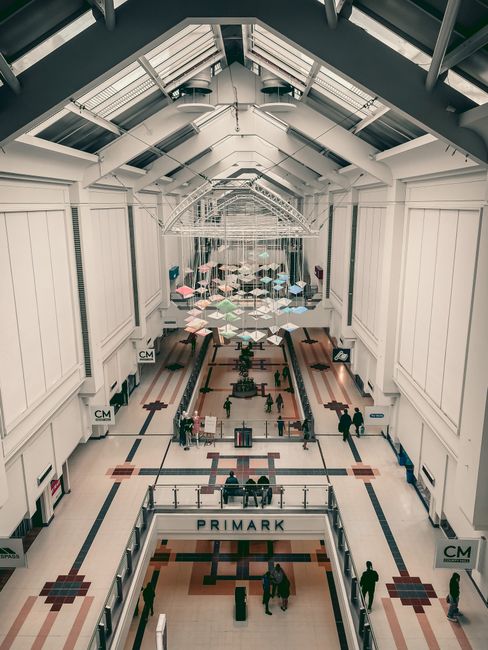
Carpet cleaning after events Broadwalk Shopping Centre Edgware
If you are arranging carpet cleaning after events Broadwalk Shopping Centre Edgware, you are probably dealing with the part nobody enjoys once the music stops: spill marks, tracked-in dirt, sticky patches, tired-looking walkways, and that faint event smell that seems to cling to fabric long after the last guest leaves. Truth be told, carpets can look fine from a distance and still be holding on to a lot underneath.
That is why post-event carpet care is not just a tidy-up task. It helps protect the appearance of the venue, keeps the space more welcoming for the next wave of visitors, and reduces the risk of stains settling in for good. In a busy shopping-centre setting, speed matters, but so does doing the job properly. This guide walks through what event carpet cleaning involves, how it works, what to avoid, and how to judge the right level of clean for the situation.
Why Carpet cleaning after events Broadwalk Shopping Centre Edgware Matters
Events create a very specific kind of mess. Not the obvious sort only, but the sneaky sort too. A carpet can pick up crushed crumbs, drink splashes, dust from foot traffic, makeup residue, mud from shoes, and fibres from decorations or packaging. In a retail or mixed-use environment, that build-up can happen fast. One busy afternoon can leave a very different impression by closing time.
For a place like Broadwalk Shopping Centre, carpet condition affects more than appearance. It influences how people experience the space. Clean flooring makes entrances, corridors, and shared areas feel cared for. That matters after launches, community events, seasonal promotions, school activities, charity stands, or any temporary footfall spike. Nobody wants to walk into a centre and notice the floor before they notice the displays.
There is also a practical side. Stains left to sit tend to bond more deeply with fibres. A sticky drink spill or food residue may seem minor at first, then become stubborn by the next day. The longer you wait, the more likely you are to need more intensive stain removal or even restorative treatment. And if you have ever tried removing dried soda from a light carpet, you already know the story.
Post-event cleaning also supports hygiene. Even where no one has spilled anything dramatic, heavy public use can leave carpets looking flat, dusty, and less fresh. That can be especially noticeable near entrances, seating spots, and queueing areas where people pause and shuffle their feet. A proper clean brings the pile back to life a bit, which sounds small but makes a real difference.
If you are managing a larger clean-up, broader commercial support may be needed too. Many site managers combine carpet care with commercial cleaning or arrange a more targeted commercial carpet cleaning visit when the event footprint is heavier than expected.
Expert summary: After events, the best carpet cleaning is the one that removes visible marks quickly, protects fibre condition, and restores a clean, neutral feel before the next customers arrive.
How Carpet cleaning after events Broadwalk Shopping Centre Edgware Works
Event carpet cleaning usually starts with assessment rather than scrubbing. That is the sensible order. A cleaner needs to know what was spilled, how much foot traffic passed through, what type of carpet is installed, and whether the area can dry in time for normal use. Loop pile, cut pile, and blended fibres all respond differently, so a one-size-fits-all approach is a bit of a gamble.
In practice, the process usually follows a few stages. First comes vacuuming or dry soil removal to lift loose grit, which matters more than people think. Grit behaves like tiny sandpaper in the fibres. Then spot treatment is applied for drinks, food, cosmetic marks, or tracked-in grime. After that, a suitable cleaning method is used, often hot water extraction or steam carpet cleaning depending on fibre type, soil level, and drying constraints.
For event work, fast drying is often just as important as deep cleaning. In a shopping-centre environment, areas may need to reopen quickly, so technicians look at airflow, access, and timing. If a space has long opening hours, it may be better to schedule work just after closing so the carpet has time to dry before the next day starts. Simple enough in theory, not always simple in real life.
Odour control can also be part of the process. Drinks, food, and wet footfall sometimes leave a stale smell even after the surface looks clean. In those cases, targeted deodorising or pet stain odour removal-style treatment principles may be adapted where appropriate, especially if the issue is organic residue rather than just surface dirt. The label is specific, yes, but the underlying cleaning logic is sometimes useful beyond pets.
Where the event is especially demanding, cleaners may also use steam carpet cleaning for a deeper fibre rinse, or broader deep cleaning when the area has multiple problem spots, not just one spill. If rugs are part of the display or event layout, rug cleaning may be needed separately because movable textiles often trap dirt differently from fitted carpet.
Key Benefits and Practical Advantages
The benefits of proper event carpet cleaning are broader than many people expect. Yes, the room looks better. But there is more to it than a visual refresh.
- Better presentation: Clean carpets help retail and event spaces look organised, cared for, and ready for customers.
- Faster recovery after footfall: Heavy traffic leaves carpets dull and compacted. Professional cleaning helps reverse that more effectively than routine vacuuming alone.
- Reduced stain setting: Fresh spill response gives you a far better chance of removing marks completely.
- Improved odour control: Food, drink, and damp shoe traffic can leave lingering smells if ignored.
- Longer carpet life: Dirt trapped in fibres wears the material down over time. Clean fibres tend to last better.
- More confidence for the next event: If the site is reset quickly, organisers can move on without a lingering sense of disruption.
There is a nice side effect too. Clean flooring changes the mood of the whole space. It sounds a bit dramatic, maybe, but people do notice when a venue feels fresh. They may not always say it, yet they feel it.
For a shopping-centre environment, this matters because carpets often frame the customer journey. Entry points, event zones, and circulation routes are where impressions are made. A clean, even carpet finish supports the rest of the space, just as tidy windows or polished floors would. For some premises, hard floor cleaning may be needed alongside carpet work so the overall result is balanced rather than half-done.
Who This Is For and When It Makes Sense
This service is relevant to a few different people, and the trigger is usually the same: an event has happened, and normal cleaning is no longer enough. That can include shopping-centre management, retailers, pop-up stallholders, event organisers, facilities teams, and cleaning contractors working on a tight turnaround.
It makes sense when you notice any of the following:
- visible drink spills, footprints, or food crumbs across key walkways
- more than normal visitor traffic in a small area
- sticky patches near seating, tables, or display stands
- a musty or sweet smell after the event has ended
- carpet flattening in temporary queuing or gathering zones
- damage that needs quick treatment before it becomes a permanent stain
It is also worth considering if the event involved children, catering, promotional sampling, or decorative materials that shed fibres or glitter. Glitter, by the way, is the houseguest that never really leaves. It turns up weeks later in places you did not think were even possible.
For venues and businesses that deal with regular public use, recurring support may be more efficient than one-off panic cleaning. In that case, a planned regular cleaning arrangement can help keep the carpet from getting to the "oh dear" stage in the first place.
Step-by-Step Guidance
Here is a practical way to think about post-event carpet cleaning. It is not fancy, but it works.
- Assess the area first. Look for stains, damp patches, odours, and high-traffic zones. Identify which marks are fresh and which have already started to bond.
- Remove loose debris. Vacuum thoroughly, including edges and corners. Dry soil should always come out before moisture goes in.
- Test the fibre and colour response. A small hidden spot should be checked before using any treatment on a visible area.
- Pre-treat problem stains. Target drinks, sauces, grease, or tracked mud with the right solution and a gentle dwell time.
- Choose the method. For surface refreshes, low-moisture methods may be enough. For deeper contamination, hot water extraction or steam carpet cleaning is often more suitable.
- Manage moisture carefully. Too much water can extend drying times and create other issues, especially in busy premises.
- Speed up drying. Use airflow, open access where possible, and avoid blocking the cleaned area too early.
- Inspect once dry. Check for shadowing, missed marks, or residue that may need a second pass.
One small but important point: if the carpet has been exposed to repeated spillages, the job is not only about removing the current mark. You also want to remove the residue around it. That hidden ring of sugar, oils, or detergent can attract dirt again, which is how fresh-looking areas start going grey far too soon.
For larger jobs, the best results often come from combining carpet care with broader site work, such as one-off cleaning after a single event or office cleaning principles where staff areas, back-of-house spaces, and shared access routes are all involved.
Expert Tips for Better Results
Little decisions matter. The difference between a decent clean and a really good one often comes down to timing, patience, and not rushing the obvious bits.
- Act quickly on fresh spills. Blot first, treat second. Rubbing usually spreads the mess and pushes it deeper.
- Use the least aggressive method that will actually solve the problem. Not every mark needs a heavy treatment.
- Keep a clean towel or absorbent pad close by. It sounds basic, but it saves plenty of trouble.
- Mind the entry points. Event carpets often fail first where people walk in and out with damp shoes or trolley wheels.
- Control drying time before reopening. A floor that still feels slightly damp can re-soil quickly.
- Do not forget the edges and corners. They catch more dust than they get credit for.
If you are handling the work in-house, communicate early with the people who will use the area next. A cleaner carpet is useful; a clean carpet nobody is allowed to walk on for half a day because nobody told them is less useful, obviously.
And if your event has also affected nearby fabric fittings, consider related specialist care such as upholstery cleaning for chairs or benches, or curtain cleaning where soft furnishings have absorbed odour and dust from the event.
Common Mistakes to Avoid
Most carpet damage after events comes not from the event itself, but from what happens afterwards. People panic, use the wrong product, and make the mark bigger. It happens all the time.
- Using too much water: Oversaturation can push soil deeper and slow down drying.
- Scrubbing aggressively: This can distort fibres or spread the stain.
- Ignoring pH-sensitive stains: Some drinks and foods react badly to the wrong product.
- Skipping a pre-test: Colour loss is a nasty surprise nobody wants.
- Leaving residue behind: Detergent film can attract dirt faster than you expect.
- Reopening too soon: Wet carpet under event traffic is asking for fresh marks.
There is also a subtler mistake: assuming every carpet can be treated the same way. That is rarely true. Commercial carpets in shopping-centre spaces often have different wear patterns, backing materials, and maintenance schedules from domestic carpets. If the area is busy and public-facing, it deserves a more careful approach.
Where stain damage is mixed or unclear, focused stain removal can be more sensible than a general wash. That is especially true when the issue includes old marks, multi-coloured residues, or a patchwork of different spill types.
Tools, Resources and Recommendations
You do not need a warehouse of equipment to get started, but the right tools help a lot. The basics are fairly straightforward.
| Tool or resource | What it helps with | Why it matters after events |
|---|---|---|
| Commercial vacuum cleaner | Dry soil removal | Lifts grit before it works into fibres |
| Absorbent cloths or pads | Fresh spill response | Helps blot without spreading the mess |
| Spot treatment solution | Targeted stain control | Useful for drinks, food, and tracked-in residue |
| Extraction machine | Deep rinse and removal | Effective for embedded soil in larger areas |
| Air movers or ventilation | Drying support | Reduces downtime and lowers re-soiling risk |
If you are comparing service options, it may help to review pricing carefully. Different jobs are priced differently based on access, carpet size, soil level, and whether the clean is urgent. A clear pricing and quotes page can help you understand what to ask for before booking.
For broader service planning, some clients also find it useful to combine event recovery with other maintenance tasks. If the premises have adjoining hard floors, hard floor cleaning can complete the picture. If there are entrance mats or loose textiles, it may be worth checking whether rug cleaning should be included as well.
Law, Compliance, Standards, or Best Practice
This kind of work usually sits under general health, safety, and site management expectations rather than a single specialist law. In the UK, the practical concern is to clean safely, avoid unnecessary slip hazards, protect staff and visitors, and use cleaning materials responsibly. That sounds obvious, but in a live shopping-centre environment, obvious things are the ones most likely to go wrong if nobody slows down.
Best practice usually includes clear access control, warning signage where floors are wet, sensible timing around trading hours, and proper ventilation during and after cleaning. If cleaning is being done for a business or public venue, it is sensible to work with providers who can show they take safety seriously. A visible health and safety policy and clear insurance and safety information are reassuring signs, because they suggest the operator has thought beyond the cleaning itself.
Environmental care matters too. Water use, chemical choice, and waste handling should be sensible. If sustainability is part of the venue's approach, it is worth checking whether the cleaner follows a recycling or waste-minimising process. Some clients like to see a clear recycling and sustainability approach where suitable.
For business customers, transparency is also important. Terms, payment, and complaint handling should be straightforward. It is hardly glamorous, but it matters when you are arranging work at short notice. A provider with clear terms and conditions, sensible payment and security information, and a defined complaints procedure is usually a better bet than one that is vague about basics.
Options, Methods, or Comparison Table
There is more than one way to clean carpet after an event. The right method depends on how dirty the area is, how quickly it must reopen, and what the fibres can tolerate. Here is a simple comparison.
| Method | Best for | Pros | Limitations |
|---|---|---|---|
| Vacuuming and spot cleaning | Light to moderate event soil | Fast, low disruption, good first response | Won't fully restore heavily used or stained areas |
| Low-moisture cleaning | Quick refresh where drying time is tight | Short downtime, practical for busy venues | May not remove deeper soil as thoroughly |
| Steam carpet cleaning | Heavier soiling, drink marks, deeper residue | Strong rinse action, good for embedded dirt | Longer drying period if not managed carefully |
| Targeted stain removal | Single marks or localised incidents | Efficient and precise | Not enough for widespread traffic dirt |
In many cases, a blended approach works best. Start with dry extraction, treat the worst spots, and then decide whether a full clean is justified. That keeps the job proportionate, which is honestly a better word than "overdone".
Case Study or Real-World Example
Picture a small promotional event in a shopping-centre unit late on a Friday afternoon. There is footfall, a drinks table, children moving through the space, and a few people stopping in the doorway with wet shoes because London weather did what London weather does. By closing time, the entrance carpet has a couple of darkened patches, a sticky ring near the display stand, and a general tired look.
Rather than trying to flood the carpet with cleaning fluid, the cleaner would start by identifying the worst areas, removing loose soil, and treating the sticky spots separately. A careful hot water extraction pass might then be used in the main traffic zone, followed by airflow to speed drying overnight. By the following morning, the surface should look brighter, feel less tacky, and smell fresh rather than stale.
That may sound simple, and often it is. But it works because the job is structured. The carpet is treated like a material with different zones of wear, not like one giant stain. That mindset saves time and usually produces a better finish. A bit boring, perhaps. Also effective.
In larger premises, similar event recovery may sit alongside communal area cleaning for shared public routes or commercial cleaning where the event has affected multiple surfaces, not just the carpet.
Practical Checklist
Use this checklist before and after an event clean. It keeps the job grounded.
- Identify the exact affected area.
- Note the type of spill or residue.
- Vacuum thoroughly before any wet cleaning.
- Blot fresh spills instead of rubbing them.
- Test any treatment in a hidden spot first.
- Match the method to the carpet fibre and drying window.
- Use spot treatment before full extraction where needed.
- Support drying with air movement and good scheduling.
- Inspect the carpet after drying for residue or shadowing.
- Escalate to specialist carpet cleaning if the marks remain.
If the event has also affected nearby fabric seating or soft decor, you may want to include sofa cleaning or upholstery cleaning in the same visit. That is often more efficient than splitting the work into several small call-outs.
Get a free quote today and see how much you can save.
Conclusion
Carpet cleaning after events at Broadwalk Shopping Centre in Edgware is really about restoring normality quickly and properly. A good clean removes visible mess, reduces lingering odour, protects the carpet fibres, and helps the space feel ready again. Not glamorous work, maybe, but very necessary work.
The best results come from acting early, choosing the right method, and not treating every stain as if it needs the same cure. That bit alone saves a lot of trouble. If you are managing a venue, retail unit, or event space, the sensible move is to plan for recovery before the event even starts, not after the damage is already under your feet.
And once it is done well, you will notice something small but satisfying: the room feels calmer, cleaner, and easier to walk into. That matters more than people think.
Frequently Asked Questions
How soon should carpet cleaning happen after an event?
Ideally as soon as practical after the event ends. Fresh spills are easier to remove, and early cleaning reduces the chance of stains setting deep into the fibres. If the area is busy, same-day or next-day treatment is usually best.
Is steam cleaning always the best choice after an event?
Not always. Steam carpet cleaning is excellent for deeper soil and embedded residue, but some situations call for low-moisture cleaning or targeted stain removal instead. The right method depends on the carpet type, the level of dirt, and how quickly the area needs to reopen.
What kinds of stains are most common after events?
Drink spills, food marks, mud, shoe scuffs, and residue from temporary displays are common. In public-facing spaces, you may also see sticky patches from soft drinks or hidden soil in high-traffic lanes.
Can one clean cover the entire event space?
Sometimes, yes. But larger or more complex events often need a mixed approach. One area may just need spot treatment, while another may need full extraction. A proper assessment usually gives the best outcome.
Will the carpet smell fresh after cleaning?
It should, provided the cleaning removes both surface dirt and any deeper residue causing odour. If moisture is left behind or spill residue remains, the smell can return. Drying and correct product use matter a lot here.
What if the carpet looks clean but still feels sticky?
That usually means cleaning residue or spill residue is still present. A second rinse or a more thorough extraction may be needed. Sticky carpets tend to re-soil quickly, so it is worth addressing properly.
Is post-event carpet cleaning suitable for busy shopping centres?
Yes, absolutely. In fact, it is especially useful in busy shopping-centre settings where footfall is high and presentation matters. The main challenge is scheduling the work so disruption and drying time stay under control.
How do I know if I need stain removal or a full carpet clean?
If the problem is localised to one or two spots, stain removal may be enough. If the carpet has overall dullness, traffic marks, or widespread contamination, a fuller clean is the better option. A quick inspection usually makes that clear.
Can event carpet cleaning help with odours too?
Yes, if the source of the odour is removed properly. Food, drink, and moisture-related smells can often be reduced with a suitable clean and proper drying. If the carpet has absorbed deeper residue, more intensive treatment may be needed.
What should I ask before booking carpet cleaning after an event?
Ask what method will be used, how long drying may take, whether stain pre-treatment is included, and how the cleaner handles safety and access in public areas. It also helps to check pricing, insurance, and any service terms before confirming the job.
Can carpet cleaning be combined with other services?
Yes. It is often sensible to combine it with related work such as commercial cleaning, upholstery cleaning, or hard floor cleaning if the event affected more than one surface. That can save time and keep the whole area consistent.
What is the biggest mistake people make after events?
The biggest mistake is waiting too long. Fresh spillages are much easier to deal with than dried ones. The second biggest mistake is using too much water or the wrong product, which can make the stain harder to remove later.